
NT OSCA 30: Reciprocating Endodontic Handpiece for Controlled Root Canal Procedures
To achieve the successful treatment of an endodontic procedure, the necessary instrumentaion, controlled preparation of the canal and careful clinical technique is essential. When used correctly and following manufacturer’s instructions, a reliable reciprocating handpiece can aid the dental professional in the mechanical instrumentation of a root canal with greater consistency. This 30° reciprocating endodontic handpiece is designed for the dental practitioner who wants a handpiece offering flexibility, a 10:1 gear ratio and an E-Type motor.
This handpiece, available from Nineten, is designed for professional endodontic use where precise file movement and ease of use is critical. Its push-button system provides ease of file mounting and removal while its 124 g construction allows for easy clinical handling. If you need to upgrade your endodontic instruments or you are adding a new dental clinic, you should know the specifications, compatibility, sterilization needs, and uses of the handpiece, to make a suitable choice.
NT OSCA 30: Reciprocating Endodontic Handpiece for Modern Endodontics
The NT OSCA 30: Reciprocating Endodontic Handpiece is made to assist in the preparation of root canals with a reciprocating movement. Reciprocation is different from continuous rotary action, which is characterized by oscillation back and forth in different directions. They are used in this movement with the appropriate endodontic files as per the manufacturer’s suggested protocol.
The handpiece has a 30° reciprocating angle and a 10:1 gear ratio. It is compatible with an E-Type motor, so motor compatibility is an important factor to consider prior to purchase. The suggested running speed is 4,000 RPM and the maximum motor speed is 40,000 RPM. The specifications are useful for dental professionals to determine if the instrument works in the current clinical environment and equipment setup.
The instrument is designed for the use of qualified dental practitioners who need a special handpiece for endodontic work. The proper selection of the file, working length determination, assessment of the canal, irrigation, and correct operating parameters are still very important components of root canal therapy.
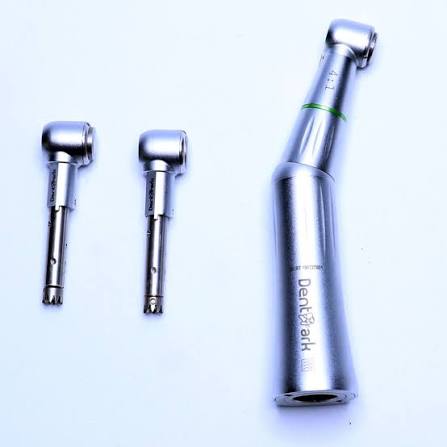
How Reciprocating Motion Supports Root Canal Preparation
Reciprocating instrumentation refers to the use of alternate motion of a compatible endodontic file in the root canal. This is not a continuous rotation movement and the method used will be influenced by the used file system, the canal anatomy, and the instructions given by the manufacturer. This is accomplished with a handpiece that moves reciprocally.
One of the most significant specifications to consider for compatibility with the desired instrumentation system are the 30° reciprocating angles of the NT OSCA 30. Not all rotary or reciprocating files are interchangeable. The suitability of a specific instrument, movement and operating protocol has to be decided by the file manufacturer’s instructions.
A typical endodontic sequence will involve assessment, access, working length determination, canal negotiation, irrigation, shaping, cleaning and obturation. The handpiece assists the instrumentation stage, and it will not replace clinical judgment and the other necessary steps to achieve good treatment.
Read Nineten’s educational guide, Getting Started with Rotary Files: What Every Dentist Should Know for more information on endodontic instrumentation. It can serve as an aid to clinicians to understand the role of file systems in the planning of their instrumentation.
Push-Button File Mounting and Convenient Handling
A dental office must be well organized when using instruments. The NT OSCA 30 has a push button lock mechanism to attach or detach a compatible file when the operator needs to do so without a complicated locking process. The positioning of the file and the retention of the file should always be checked before turning on the motor.
When it comes to specification, its 124 g weight is suitable for daily use in the office by dentists. But, it is also important to consider the operator’s skill, motor coupling, access to the treatment area and time of treatment. The instrument must be evaluated within the entire equipment.
However, for normal use, dentists need to check the handpiece before use, learn the recommended lubrication method, and refrain from exceeding the limits of use. File mounting, cleaning, maintenance and storage should follow manufacturer’s instructions to ensure reliable instrument performance.
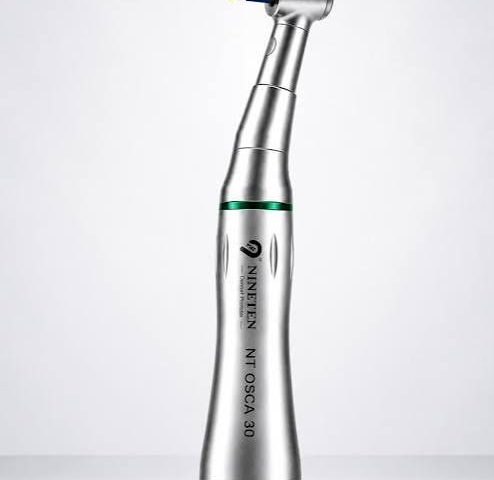
Cleaning, Lubrication, and Steam Autoclave Sterilization
Part of the basic needs in professional dentistry is infection prevention. Steam autoclave sterilization is supported by the NT OSCA 30 and reprocessing is an important consideration when using between patients. Always use sterilization according to the manufacturer’s instructions and the clinic’s infection-control procedures that have been validated.
If there are visible external debris, remove before sterilizing and clean as directed. Lubrication is also outlined in the manufacturer’s instructions using the correct spray and adapter. Proper lubrication allows for proper maintenance of the handpiece as required by the manufacturer. Do not add excessive lubricant and be sure to prepare the instrument according to the instructions before putting it in the autoclave pouch.
Published instructions call for 20 minutes at 121°C or 15 minutes at 134°C in a steam autoclave. These settings are to be followed only according to the full manufacturer’s instructions, including preparation and drying requirements of the product if any.
Why Choose NT OSCA 30 for Your Dental Practice?
There are various factors to take into consideration when selecting an endodontic instrument: compatibility, clinical demands, maintenance, and cost considerations. The NT OSCA 30 is a specific list of specifications for practices wishing to use a handpiece with an E-Type motor connection. These factors—among them, the 10:1 ratio, 30° reciprocating movement, push-button mechanism and steam-autoclave compatibility—are easy to assess.
If the dental clinic currently has an E-Type motor and a compatible instrumentation protocol that match the handpiece’s operating characteristics the NT OSCA 30: Reciprocating Endodontic Handpiece may be appropriate. The relatively lightweight construction and ease of file retention are other features of everyday use.
Nineten also provides a variety of other endodontic products such as NT MAGIC Pathfile and NT Rainbow S which can be explored by dentists to find out about other instrumentation products and choose the one that fits their clinical needs. Before mixing instruments from multiple systems, check the compatibility first.
FAQ’s
What's the purpose of the NT OSCA 30?
The NT OSCA 30 is a reciprocating handpiece designed for endodontic root canal preparation to assist with mechanical instrumentation. Use by qualified dental professionals only with compatible files, and follow manufacturer’s directions.
What is the gear ratio of the NT OSCA 30?
The handpiece is equipped with a 10:1 ratio and a 30° reciprocal angle. These specifications provide the clinician with guidelines for determining its suitability for the motor and planned instrumentation system he or she currently has.
Can an E-Type motor be used in the NT OSCA 30?
Yes, it will fit to an E-Type motor. Before purchasing and using, dentists should ensure that the motor connection and operating specifications are correct.
Is the NT OSCA 30 autoclaveable?
Yes. Handpiece can be steam autoclave sterilized. The cleaning and lubrication, packaging, sterilization settings and any other reprocessing steps must be performed in accordance with the manufacturer instructions.
From where can dentists get the NT OSCA 30?
See specifications and purchasing details for Nineten’s NT OSCA 30 on the Ninteen Product page. Please call the website for the latest prices, availability and ordering information.

