
Proper Way to Brush Teeth: Dentist-Approved Tooth Brushing Techniques for 2025
Brushing your teeth is something most of us do every day without much thought. But did you know that using the proper way to brush teeth can make the difference between a healthy smile and long-term dental issues? In 2025, dentists continue to emphasize the importance of using the correct tooth brushing techniques to prevent plaque buildup, cavities, and gum disease. This guide will walk you through updated, dentist-recommended practices to help you improve your daily brushing routine and achieve optimal oral health.

Are You Brushing Your Teeth Properly?
You brush twice a day, but are you doing it right? Many people miss key areas like the gum line and the back molars. The latest dental research still confirms that brushing twice daily for at least two minutes is essential to prevent oral issues like decay and gingivitis. Most importantly, using the correct technique helps you make the most of each session.
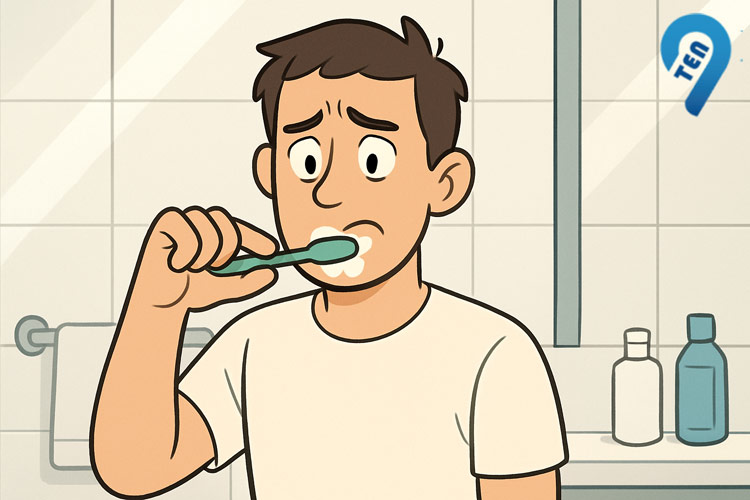
- Timing & Frequency: When Is the Best Time to Brush?
- Brushing twice a day, once in the morning and once at night, remains the top recommendation.
- Avoid brushing immediately after eating acidic foods or drinks (like orange juice or soda). Instead, wait 30 to 60 minutes to prevent damaging your enamel.
- If you wear braces or clear aligners, consider brushing or rinsing after meals to prevent plaque buildup.
Brushing at night is especially important because saliva production slows during sleep, making it easier for bacteria to damage your teeth.
Choose the Right Tools: Toothbrush and Toothpaste
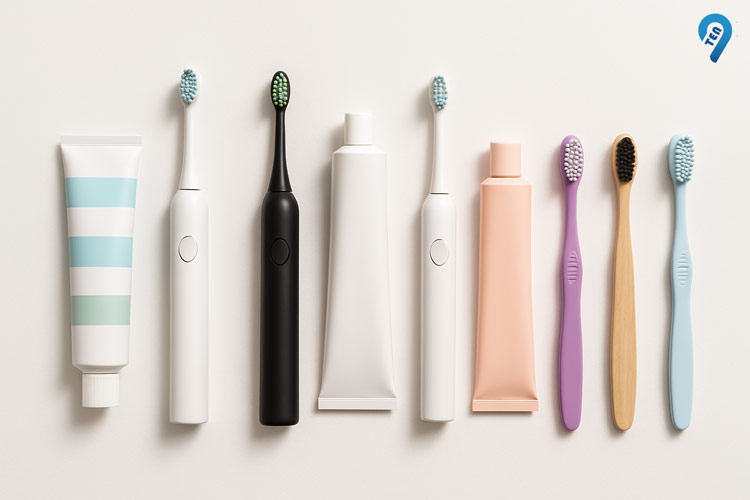
Toothbrush:
- Use a soft-bristled toothbrush to protect your enamel and gums.
- An electric toothbrush can improve your routine, removing more plaque and helping maintain gum health. Features like timers and pressure sensors ensure that you brush correctly and gently.
Toothpaste:
- Choose a toothpaste that contains fluoride to strengthen enamel and fight cavities.
- Avoid abrasive toothpaste formulas like those containing charcoal, which may wear down enamel over time.
- Use a pea-sized amount and avoid rinsing with water immediately after brushing to allow the fluoride to remain active.
Also Read: Oral Care Products in India.
Step-by-Step Brushing Technique: Angle, Motion, Coverage
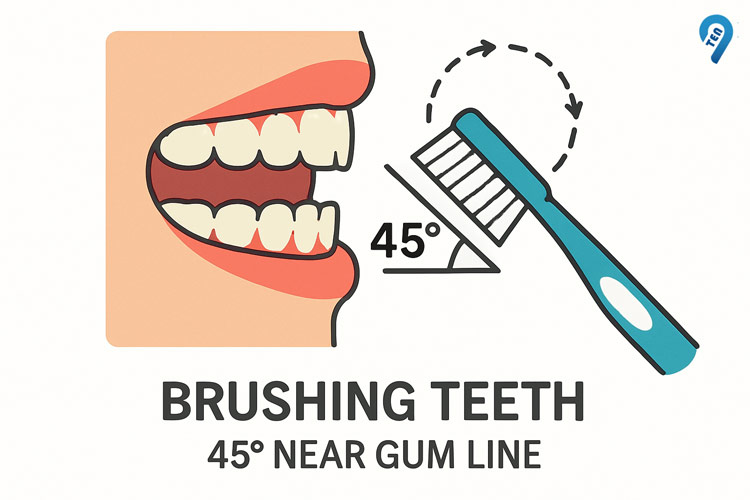
- Angle your brush at 45 degrees toward your gumline.
- Use gentle, short circular or back-and-forth strokes (this is known as the Modified Bass technique).
- Brush all surfaces: Outer surfaces of all teeth, Inner surfaces, especially the front lower teeth (use vertical strokes), Chewing surfaces
- Spend about 30 seconds per quadrant—that’s 2 minutes in total.
- Don’t forget your tongue. Brushing or scraping your tongue helps reduce bacteria and improve breath.
Special Techniques: Bass, Stillman & Charters
- Bass Technique: Aimed at removing plaque near the gumline. Bristles are placed at a 45° angle and moved in tiny vibrations.
- Stillman Technique: Similar to Bass, but includes more of the gum area. Ideal for patients with early gum recession.
- Charters Technique: Used for cleaning around orthodontic brackets or exposed root surfaces. The brush is angled downward (towards the biting surface) and vibrated gently.
Dentists often recommend blending these techniques based on your individual needs.
Are You a Regular Flosser?
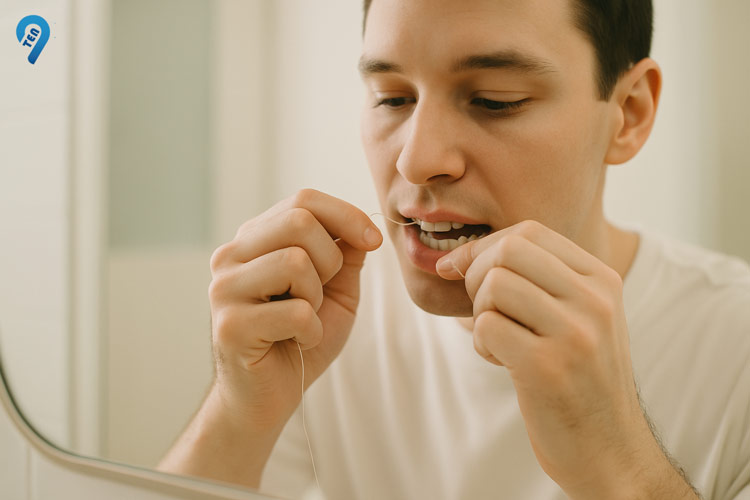
Brushing alone cleans only about 60% of your tooth surfaces. The other 40%—the tight spaces between your teeth—requires flossing or interdental cleaning.
Flossing Tips:
- Floss once a day, preferably at night.
- Use 18–25 cm of floss, curve it into a C-shape around each tooth, and gently slide it under the gumline.
- If traditional floss is difficult for you, try interdental brushes, floss picks, or water flossers, especially if you wear braces or have implants.
Common Mistakes & How to Avoid Them?

Here are some of the most frequent mistakes people make when brushing their teeth:
- Brushing too hard: This can erode enamel and damage your gums. Gentle pressure is key.
- Brushing too quickly: Always aim for the full two minutes—don’t rush.
- Brushing right after meals: Wait at least 30 minutes if you’ve had acidic food or drinks.
- Skipping flossing: Brushing alone can’t clean between teeth.
- Not changing your toothbrush: Replace your brush or brush head every 3–4 months, or sooner if the bristles are frayed.
What’s New in 2025: Tools and Trends
The oral care industry in 2025 continues to innovate:
- Smart toothbrushes now come with real-time feedback apps, showing you areas you missed and tracking brushing time and pressure.
- Water flossers have become more advanced and portable, offering an effective way to clean between teeth.
- Hydroxyapatite-based toothpaste is gaining popularity as a fluoride alternative, especially for those with sensitivity or specific allergies.
- Dentists are using AI-powered imaging tools during checkups to identify plaque patterns and educate patients on brushing improvements.
Conclusion: Your Daily Brushing Checklist
| Step | Task |
| 1 | Brush twice daily for 2 minutes |
| 2 | Use a soft-bristled manual or electric toothbrush |
| 3 | Follow the Modified Bass technique |
| 4 | Clean all surfaces, including your tongue |
| 5 | Floss once daily |
| 6 | Avoid brushing immediately after acidic meals |
| 7 | Replace toothbrush every 3–4 months |
Practicing the proper way to brush teeth is not just about looking good—it’s a critical step in preventing long-term dental issues like cavities, gum disease, and tooth loss. By following these updated tooth brushing techniques in 2025 and making them a habit, you’ll invest in a healthier, brighter smile for years to come.

